
Pavers & Hardscaping in Brownsville, TX flat for years, not months.
Brownsville Signature Landscapes puts in pavers and hardscaping in Brownsville on a base built for clay that swells and shrinks. Paver patios, walkways and front entries, travertine where feet go bare, landscape curbing, decomposed granite paths and low retaining walls.
Last updated:
What our hardscaping work includes
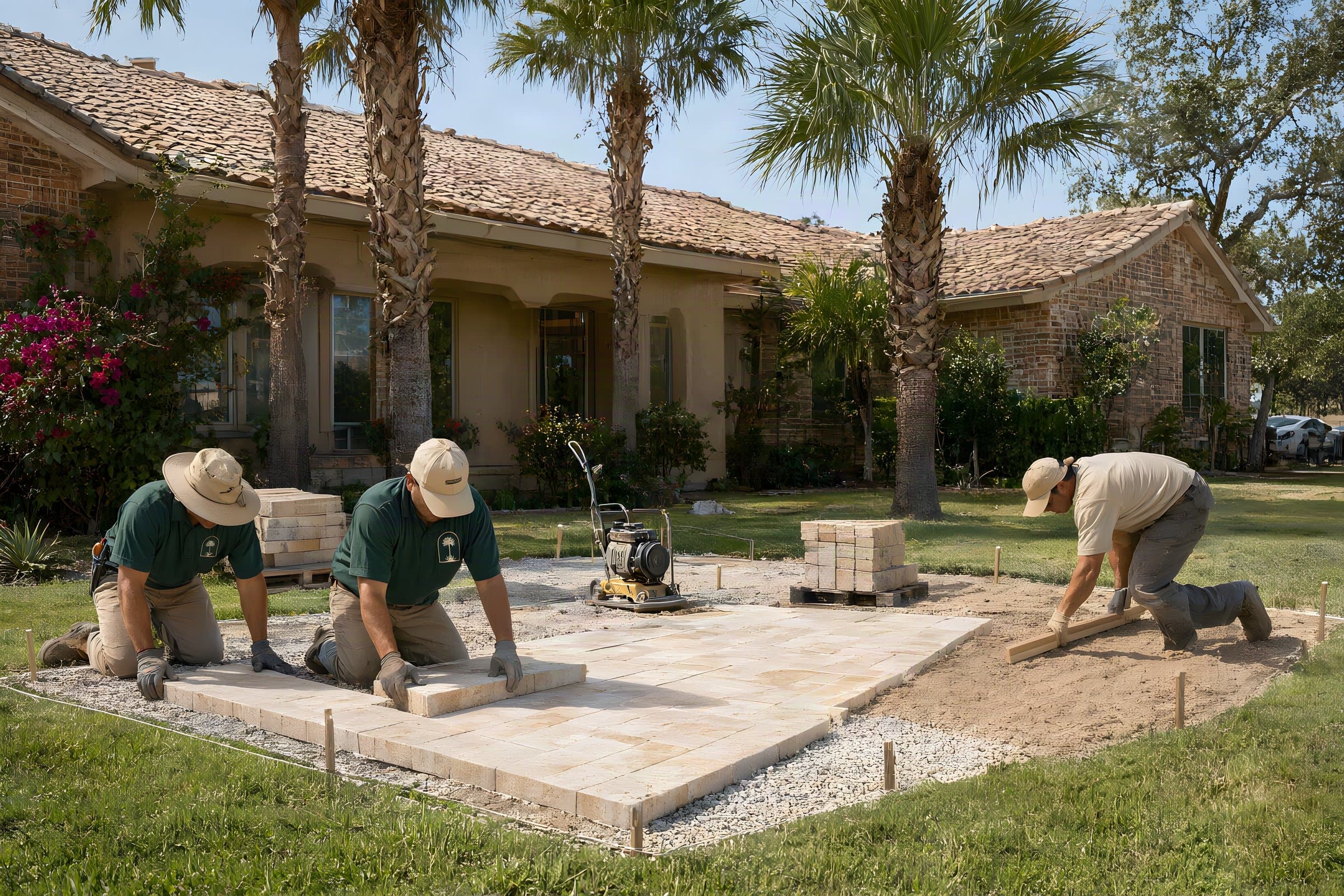
Hardscaping is everything in the yard that isn't alive: patios, walks, borders, gravel paths and walls. Pay for the base, not the fanciest paver. A paver installation done right means digging out the soil, packing a crushed-stone base in layers, a thin sand bed, the pavers, an edge restraint and polymeric sand in the joints, and the expensive part is the part you never see. Signature Landscapes provides paver patio installation and hardscape design to Brownsville and nearby Cameron County towns, including Rancho Viejo, Los Fresnos, San Benito and Port Isabel.
Hardscape looks best when it's planned with the beds and lawn around it, so it doesn't end up as a slab dropped in the grass. Mateo Garza, our owner, draws the patio, paths and planting together on one landscape design plan, and the same crew lead stays on your job from layout to the last swept joint. Our three install crews have built patios on resaca lots, golf course lots and tight new-subdivision backyards all over Cameron County.
How much does a paver patio cost in Brownsville?
A paver patio in Brownsville costs about $15 to $32 per square foot installed in 2026, so a typical 300 sq ft patio runs $5,500 to $9,500. Concrete pavers sit at the lower end and travertine at the higher end. The base, edging and polymeric sand are included in those prices.
Prices include digging, base, edging and joint sand. Steps, tight curves and tearing out an old slab add to the paver patio cost. Estimates are free, and we offer flexible payment plans on larger hardscape jobs.
Contact UsLast updated:
| Project | Typical cost | Time on site |
|---|---|---|
| Paver patio, 150 sq ft | $3,200 to $5,200 | 2 to 3 days |
| Paver patio, 300 sq ft | $5,500 to $9,500 | 3 to 5 days |
| Paver walkway, 4 ft wide by 40 ft | $2,600 to $4,800 | 2 to 3 days |
| Landscape curbing | $9 to $16 per linear foot | 1 day for most yards |
Types of hardscaping we install in Brownsville
These six make up nearly all the hardscaping we build. Most yards get two, usually a patio and a walk or a patio and curbing.
Paver patios
A paver patio is interlocking concrete pavers on a packed base. Every joint is a tiny hinge, so when clay soil swells after a September storm and shrinks again in July, the patio moves a hair and settles back instead of cracking. Most patios we build are 200 to 400 sq ft. We think 300 is the sweet spot for a table for six plus a couple of lounge chairs.
Paver walkways and front entries
A good walkway ties the driveway, front door and backyard together. We build them at least 4 feet wide so two people can walk side by side, and we'll curve one around a bed if a straight line feels like an airport. Matching the walk to the patio makes a small yard read as one design.
Travertine patios and pool surrounds
Travertine pavers are natural stone, and they stay noticeably cooler under bare feet than dark concrete. That makes them our pick around an existing pool or anywhere kids run barefoot in August. We replace tired decking around pools that are already there. We don't build pools, outdoor kitchens or covered patios.
Landscape curbing
Landscape curbing is a low poured-concrete border around beds. It keeps mulch and rock in the bed, keeps St. Augustine runners out, and gives the mower a clean line to follow. It's one of the cheapest ways to make a yard look finished, and most curbing jobs are done in a single day.
Decomposed granite paths and river rock
Decomposed granite, or DG, is fine crushed granite that packs into a firm walking surface for paths and xeriscape areas. River rock is smooth, rounded stone. We use it for dry creek beds that carry storm water across a yard to where it can drain. We've built more of these since the heavy rains of the last few Septembers than in the ten years before.
Low retaining walls and seat walls
A short retaining wall holds back soil on a slope or a resaca bank. A seat wall does the same job around a patio and gives you extra seating at a party. We build walls up to about 3 feet. Anything taller needs an engineer, and honestly, on Valley clay a stepped pair of short walls usually looks better anyway.
Paver materials compared
Each material has its place. Here's how they stack up for Brownsville yards, with installed prices including base:
| Material | Look and feel | Installed cost per sq ft | Best for |
|---|---|---|---|
| Concrete pavers | Many colors and shapes, flex with soil | $15 to $24 | Patios, walkways, entries |
| Travertine pavers | Natural stone, cool underfoot | $22 to $32 | Pool surrounds, shaded patios |
| Decomposed granite | Firm, gravel-like surface | $5 to $9 | Paths, xeriscape areas |
| Poured concrete slab | Smooth, one piece | $8 to $14 | Utility pads, side yards |
For a patio people sit on, we'd pick concrete pavers or travertine every time. A slab is fine for the trash cans.
What goes under a paver patio
Pavers on a thin base are like good tires on a bent rim: the expensive part isn't the problem, and it still wobbles. We dig out about 7 to 9 inches, then lay 4 to 6 inches of crushed stone in layers, packing each one with a plate compactor, the loud vibrating machine you'll hear on day two. A thin sand bed goes on top, then the pavers.
The finished patio slopes about a quarter inch per foot away from the house, which you won't notice standing on it but rain will. Last step is polymeric sand, a joint sand that hardens once it's misted, so weeds and fire ants have a hard time moving in. On every patio we've had to fix for someone else, the problem was the base, not the pavers.
Two things get checked before the first shovel goes in. First, the sprinkler lines. Most backyards already have pipe and heads where the patio is going, so we reroute that zone before we dig instead of trenching under finished pavers later. Second, the trees. Big roots lift pavers over time, so we keep a patio a few feet back from the trunk of a live oak or ebony, or we bridge the root zone with a DG area that can flex. Good hardscape design is mostly this kind of boring planning, and it's why a patio still sits flat ten summers later.
How long does a paver patio take to install?
A typical 300 sq ft paver patio in Brownsville takes 3 to 5 days to install. Day one is digging and hauling soil, the next one or two are base and compaction, and the last are laying pavers, cutting the edges and sweeping in polymeric sand. A rainy week can add a day.
Layout and estimate
We paint the shape, check the fall and price it on the spot.
Dig and build the base
Soil out, crushed stone in, packed one layer at a time.
Lay and cut
Pavers laid in your pattern, edges cut and locked in.
Sand and seal the joints
Polymeric sand swept in, misted and left to set.
Pavers and hardscaping near Brownsville
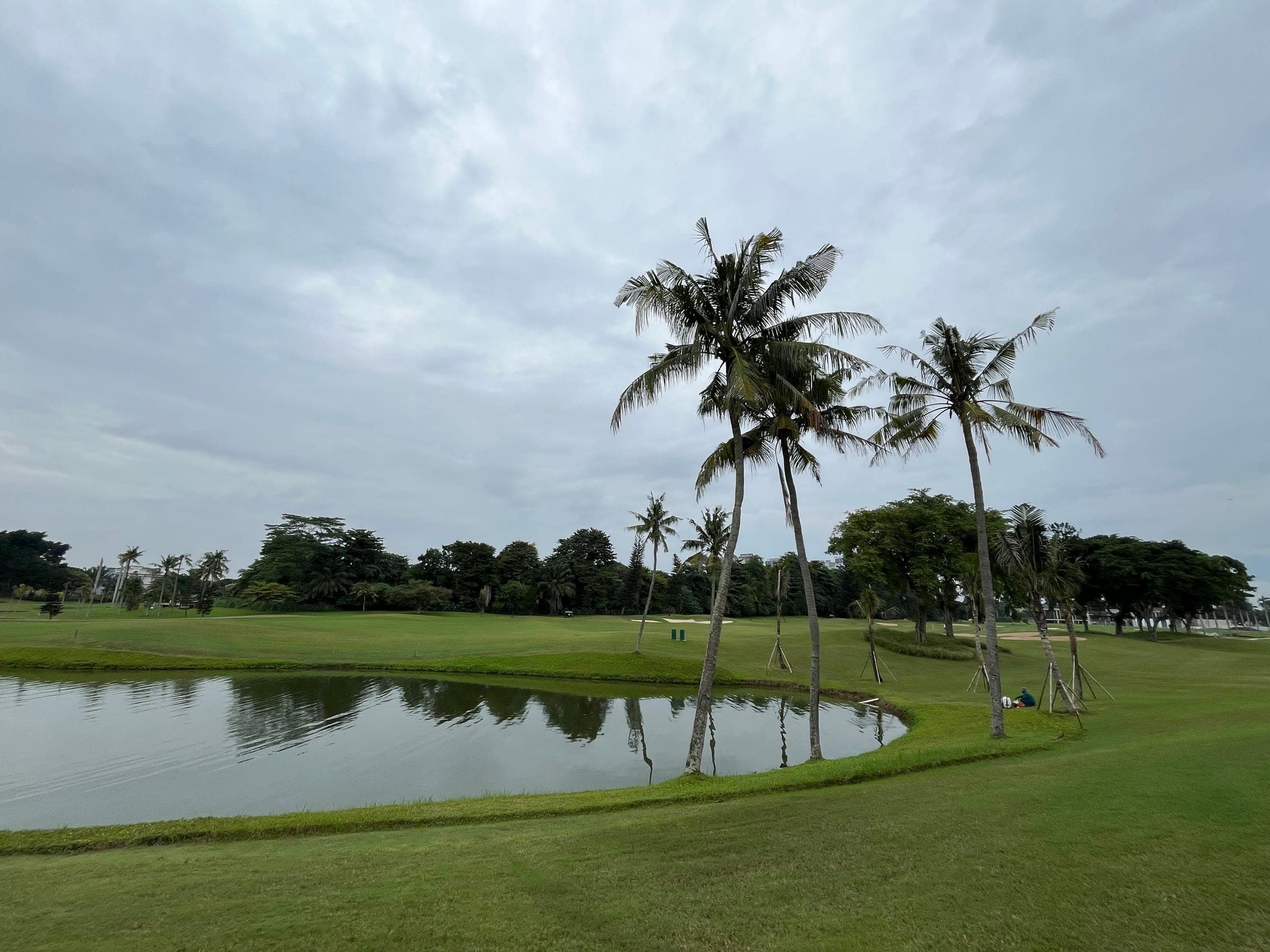 Rancho ViejoGolf course and resaca homes, about 10 minutes from Brownsville.
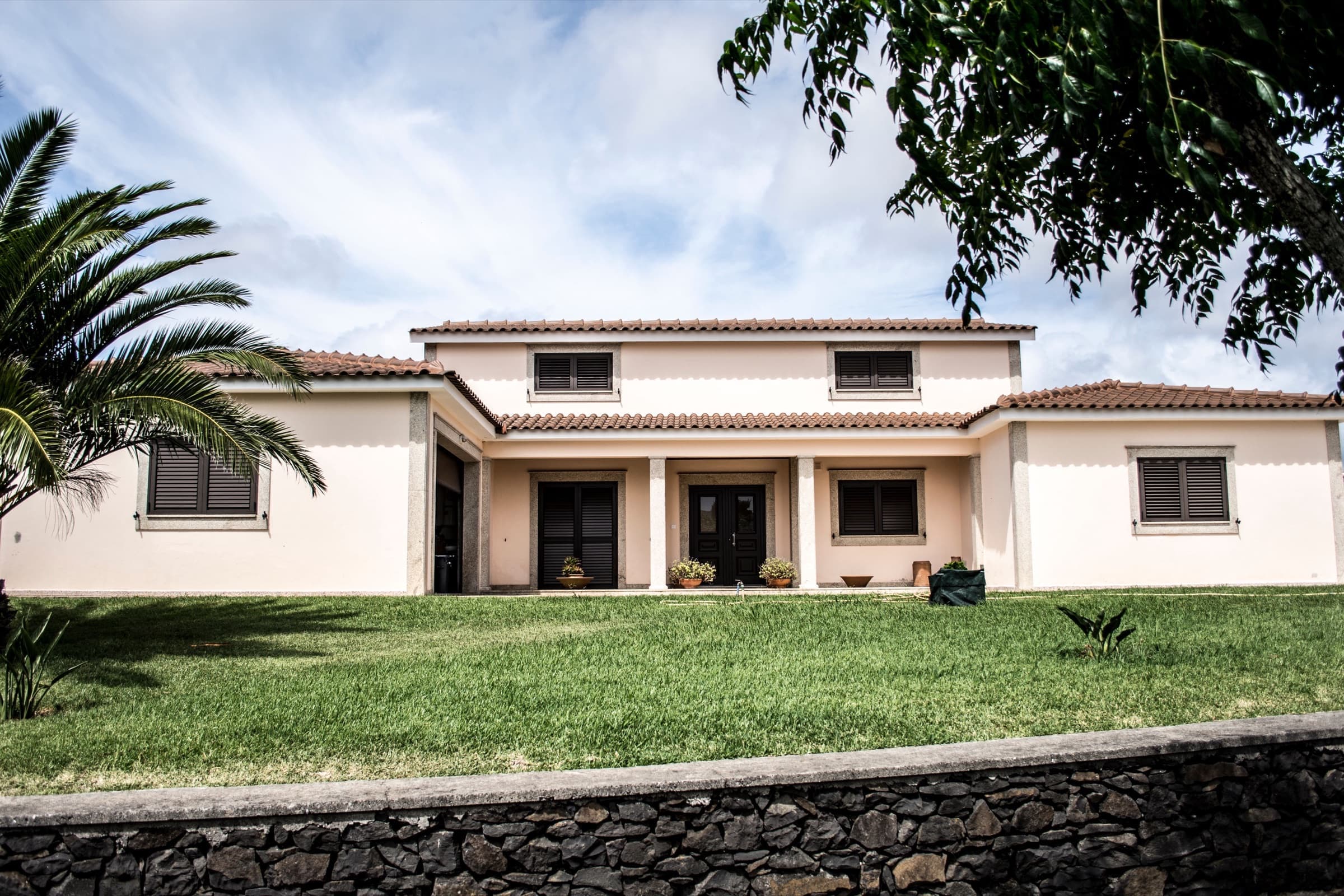 OlmitoBigger lots along I-69E, about 15 minutes from Brownsville.
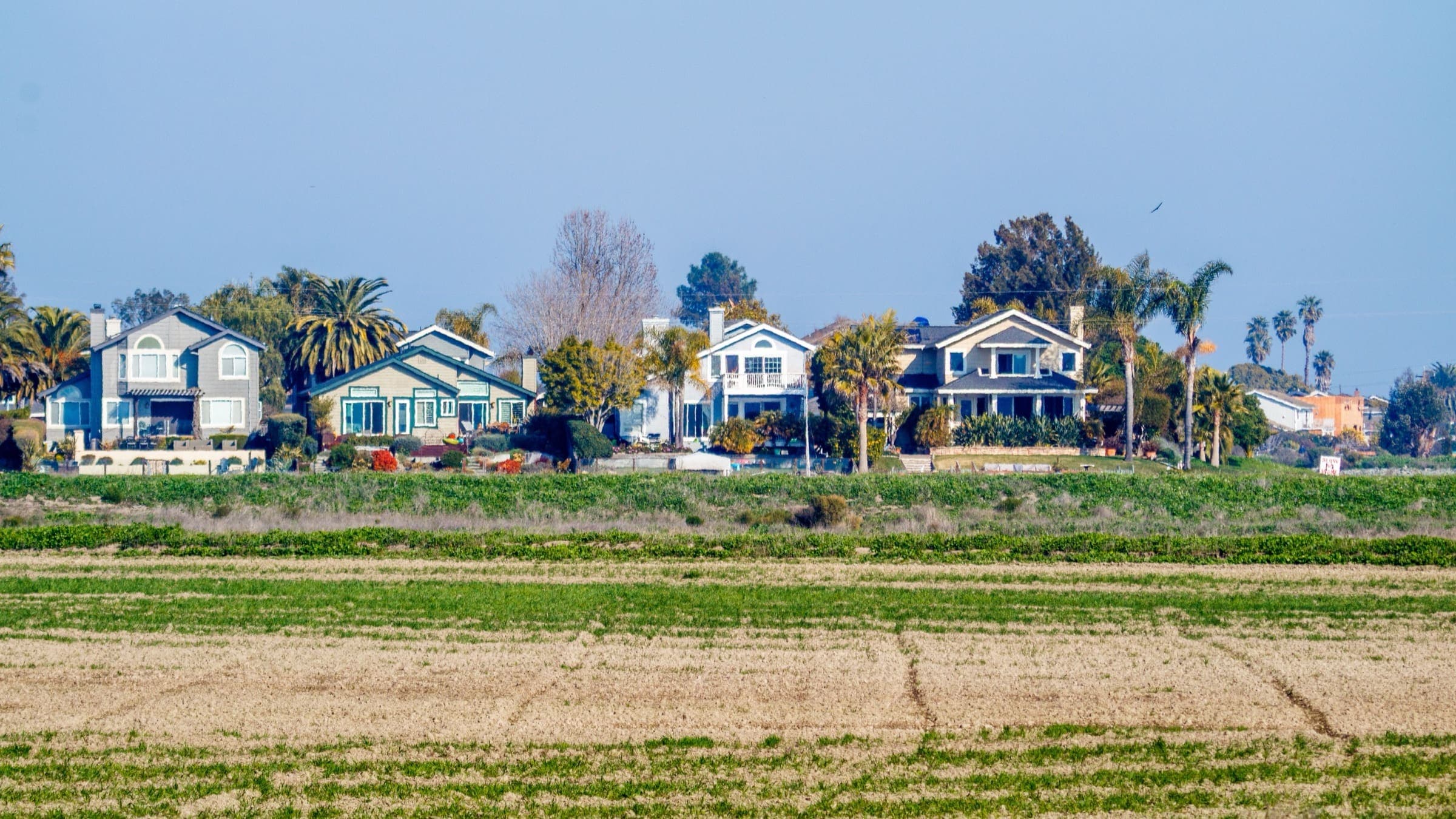 Los FresnosNew homes along SH 100, about 20 minutes from Brownsville.
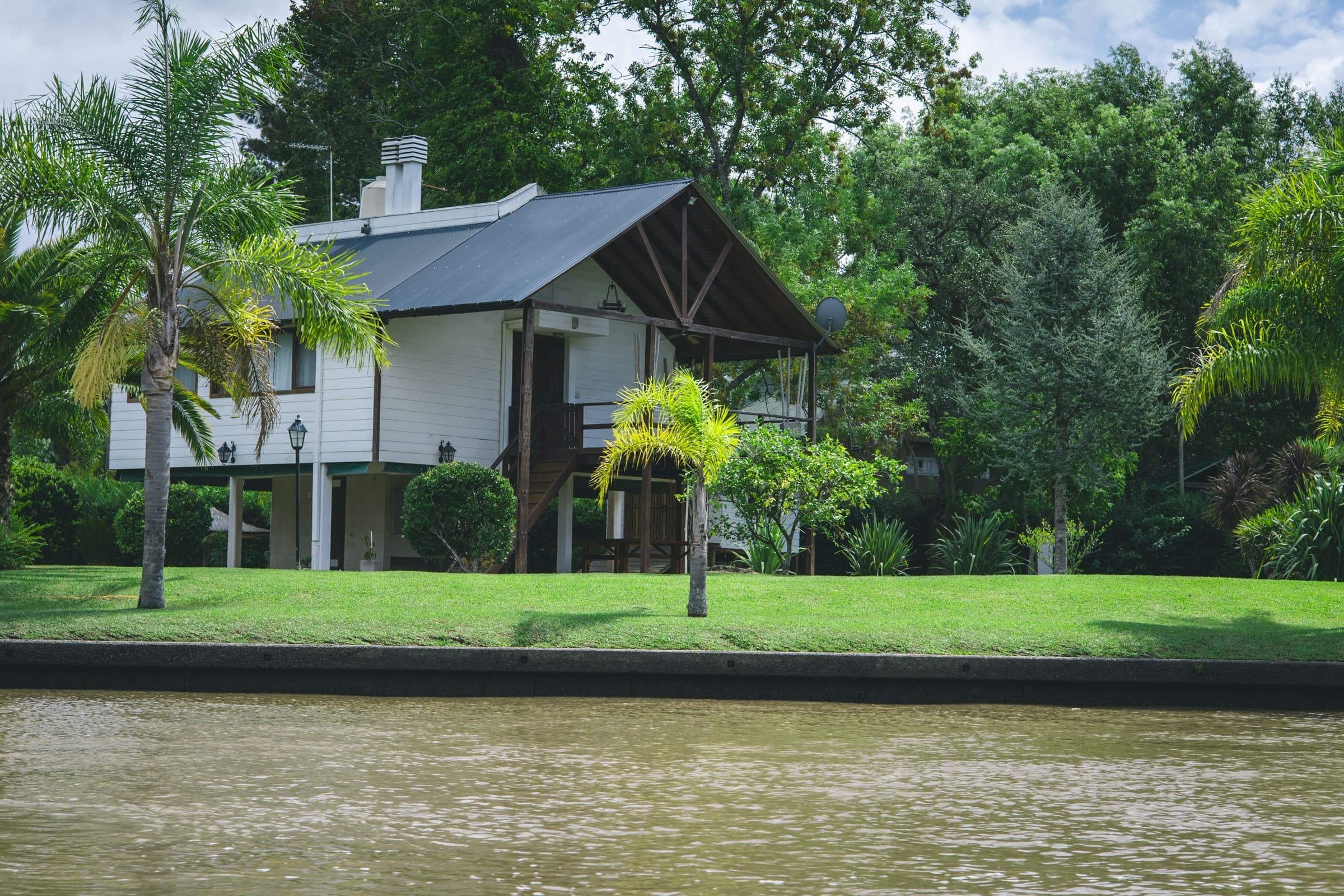 San BenitoOlder homes and resaca lots, about 25 minutes from Brownsville.
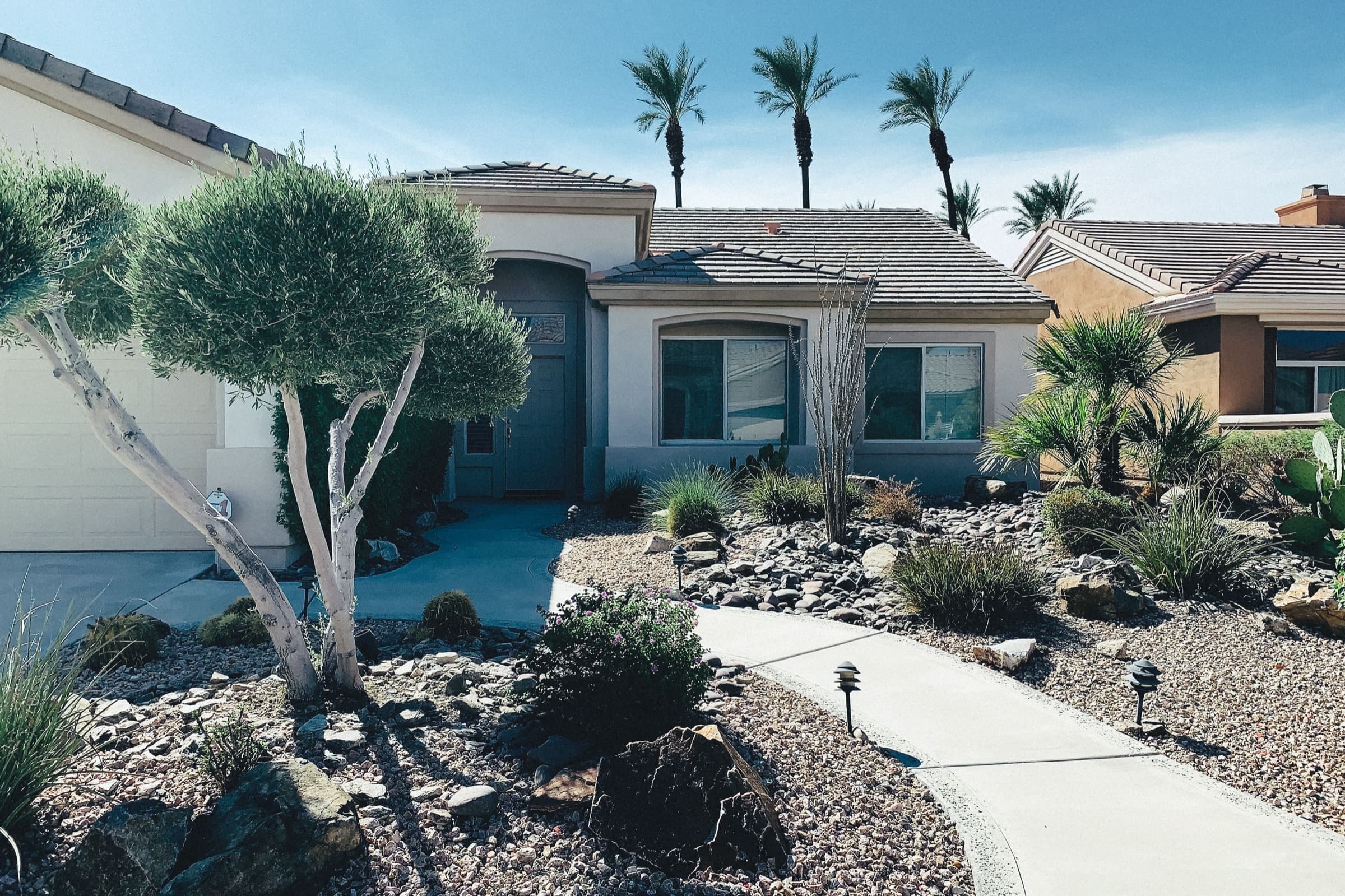 HarlingenLandscape design for homes and businesses, about 35 minutes from Brownsville.
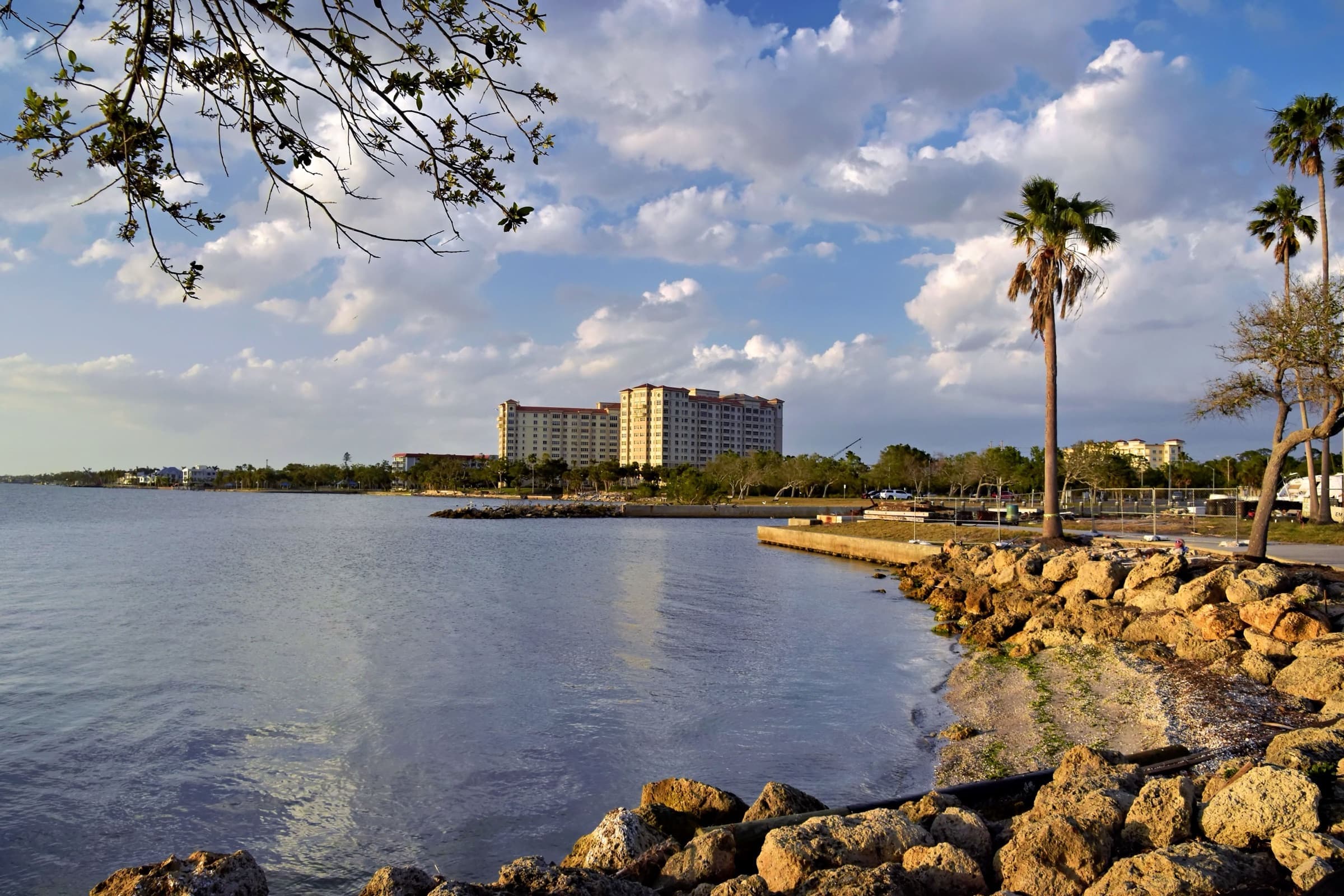 Port IsabelBayside homes on the Laguna Madre, about 35 minutes from Brownsville.
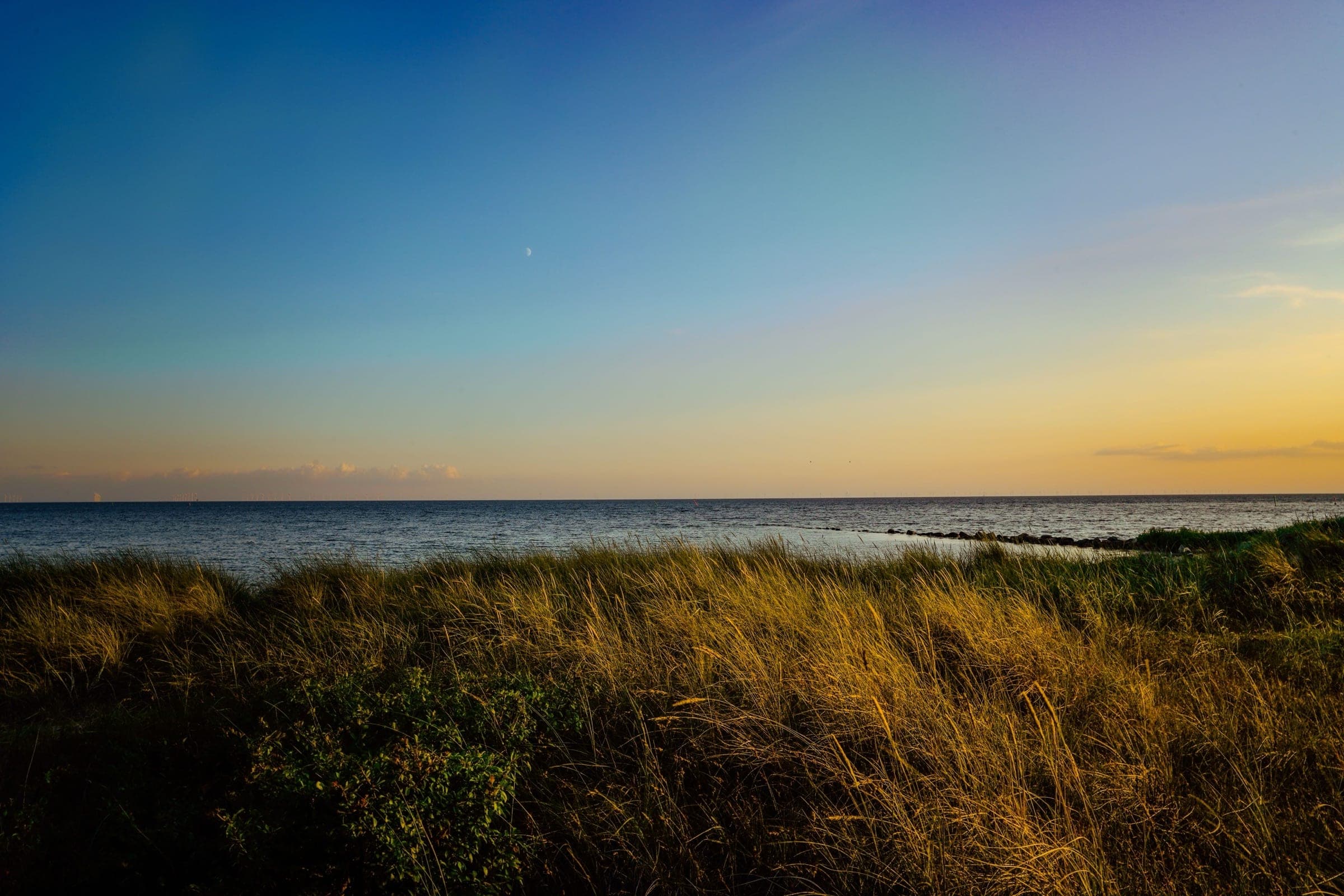 Laguna VistaNewer homes on the bay, about 35 minutes from Brownsville.
 South Padre IslandHomes, rentals and condos over the causeway, about 40 minutes from Brownsville.
 Rio HondoCountry lots on the Arroyo Colorado, about 40 minutes from Brownsville.
 La FeriaTown homes and winter homes west of Harlingen, about 40 minutes from Brownsville.
Paver and hardscaping FAQ
Are pavers better than a concrete slab in Brownsville?
For most patios, yes. Brownsville's clay soil swells when it's wet and shrinks when it dries, and a solid slab often cracks as it does. Pavers flex a little at every joint, and a damaged one can be lifted out and replaced in minutes. A slab costs less on day one, but it's harder to repair later.
Do pavers get too hot to walk on?
Dark concrete pavers get hot in full August sun, hot enough that kids won't cross them barefoot. Light colors and travertine stay noticeably cooler. Around a pool, or anywhere bare feet go, we steer people toward travertine or a light-colored paver, and toward a shade tree planted where it will cover the patio by 4 p.m.
How do you keep weeds and ants out of pavers?
A packed base and polymeric sand in the joints. The sand hardens once it's misted, so weed seeds struggle to root and ants struggle to dig. Over a few years the top of the joint can wear down, and a quick top-up of sand puts it back. Most patios need that every three to five years.
Do I need HOA approval for a paver patio?
Often for front-yard work, sometimes for backyards. Many Brownsville subdivisions and plenty of Rancho Viejo streets have HOA rules about what can go in the front yard, while backyard patios are usually simpler. Check your deed restrictions first. We give you a scaled drawing and material list to send to the HOA board.